Why skin hydration matters more than you think: Part 2 – When skin struggles to retain moisture
The skin barrier: your body’s protective wall
In the first part of this series, we explored why skin hydration matters and how moisturisers and emollients help support the skin barrier. However, for some people, hydration is not simply about “forgetting to moisturise”. Certain skin conditions, scarring and environmental factors can affect how well the skin retains moisture in the first place.
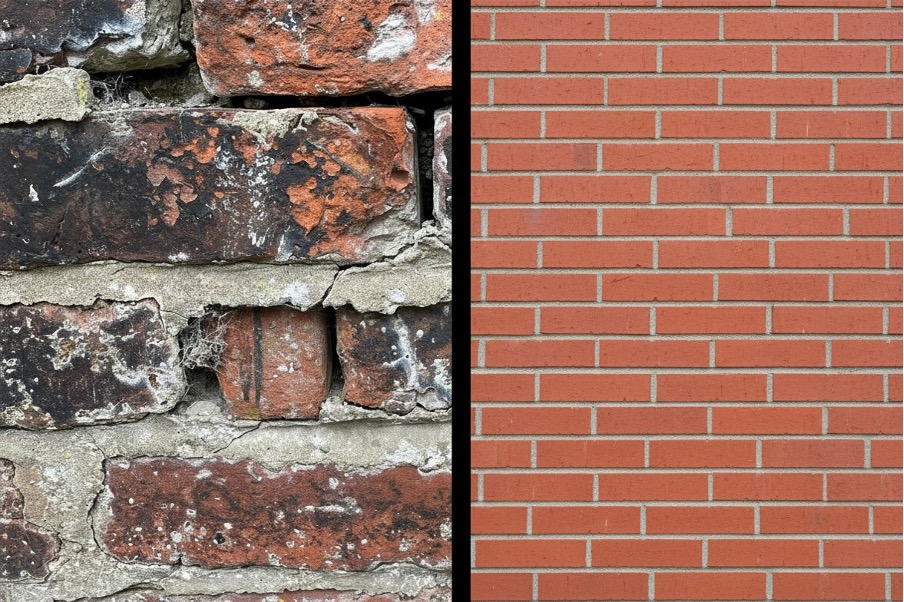
Healthy skin behaves a little like a well-built wall. The skin barrier helps hold moisture in while also protecting the body from irritants, allergens and environmental stressors. When parts of that wall become weakened or damaged, moisture escapes more easily, leaving the skin dry, tight, flaky or uncomfortable.
This process is often easier to visualise when thinking of the skin barrier as a damaged brick wall.
What can weaken the skin barrier?
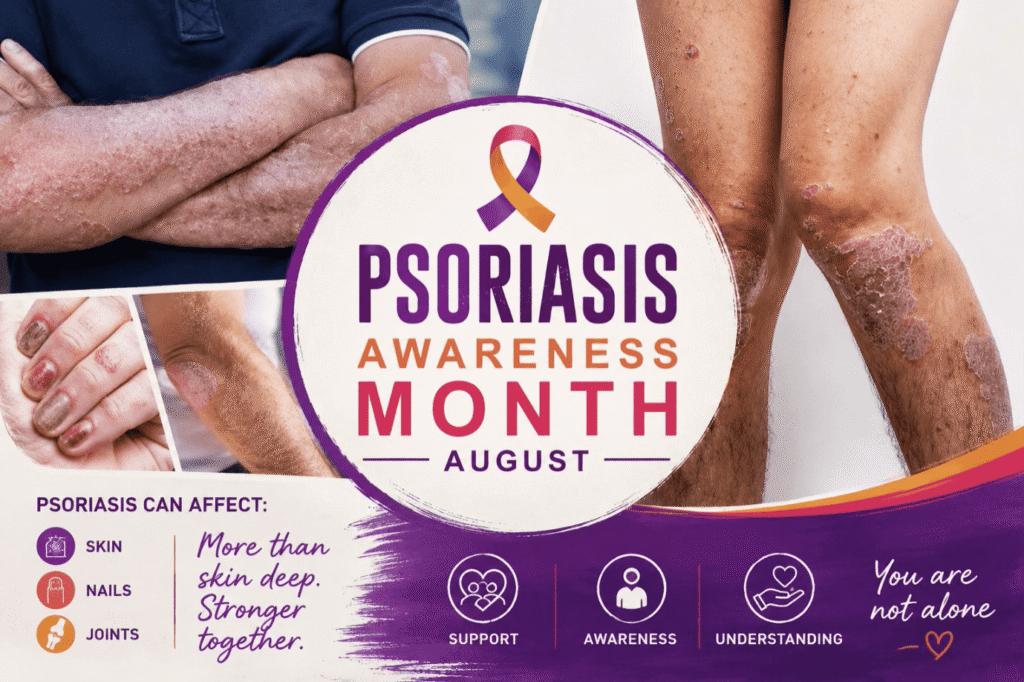
The skin barrier can become compromised for many different reasons. Conditions such as eczema, psoriasis and ichthyosis naturally affect how effectively the skin retains moisture, while burns, scarring and skin grafts may alter the structure and function of the skin itself.
Everyday factors can also contribute. Frequent hand washing, harsh soaps, over-cleansing, weather changes, ageing and environmental irritants may all increase moisture loss from the skin.
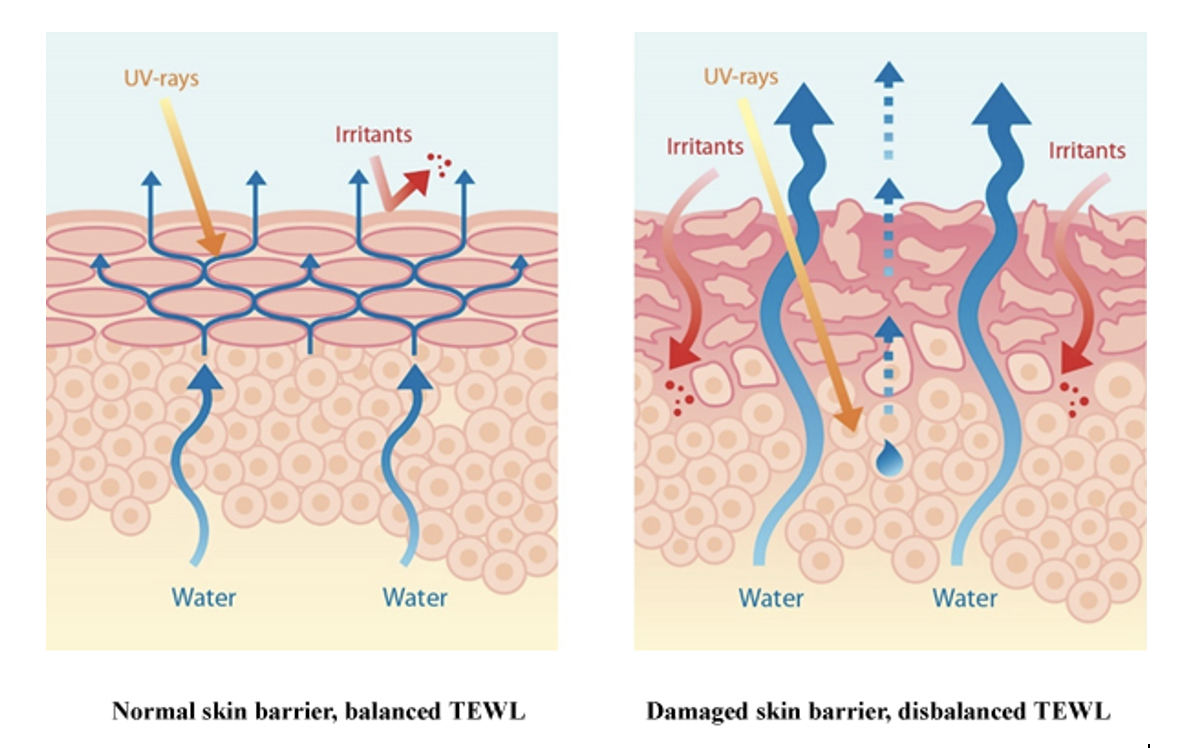
Understanding transepidermal water loss (TEWL)
This increased water loss is known as transepidermal water loss (TEWL). While some water loss is completely normal, excessive TEWL can leave the skin more vulnerable to dryness, irritation, tightness and discomfort. TEWL is not a condition itself, but a process that reflects how effectively the skin barrier is functioning.
Why moisturising does not always feel enough
One of the biggest frustrations for many people with dry or compromised skin is feeling as though they are “constantly moisturising” without seeing lasting improvement.
In reality, if the skin barrier is damaged or struggling to retain moisture effectively, hydration can escape faster than the skin is able to maintain it. This is often why some people feel temporary relief after applying creams or ointments, only for dryness, tightness or discomfort to quickly return.
Different skin conditions also behave differently. Some people experience occasional dryness during flare-ups or colder weather, while others live with long-term barrier impairment that requires ongoing skin care and protection.
This is why managing dry skin is often less about finding a single “miracle product” and more about understanding how to consistently support and protect the skin barrier over time.
Supporting and protecting the skin barrier
Although the skin barrier cannot always be “fixed” completely, there are often simple ways to better support and protect it over time.
Gentle cleansing, regular moisturising and avoiding unnecessary irritation can all help reduce excessive moisture loss and improve overall skin comfort.
Simple ways to help support the skin barrier may include:
- Using gentle, fragrance-free cleansers where possible.
- Avoiding over-cleansing or excessively hot water.
- Applying emollients regularly rather than only during severe dryness.
- Using richer creams or ointments overnight if the skin feels particularly dry.
- Protecting the skin from excessive sun exposure, cold weather or harsh environmental conditions.
- Keeping moisturisers easily accessible to encourage consistent use.
Different products suit different people, routines and levels of dryness. For some people, lighter lotions may provide enough hydration during the day, while others benefit from richer creams or ointments that create a stronger protective barrier to help reduce TEWL.
Certain ingredients are commonly used within emollients to support hydration and barrier protection. These may include ceramides, glycerine, urea, petrolatum and hyaluronic acid.
Environmental factors can also play a role. Cold weather, central heating, air conditioning, wind, UV exposure and pollution may all contribute to increased dryness or irritation in some individuals.
Small, regular skin care habits usually support the skin barrier more effectively than occasional intensive moisturising.
Small changes can make a big difference
Dry or uncomfortable skin is not always simply a matter of “needing more moisturiser”. In many cases, the skin barrier itself may be struggling to retain moisture effectively, leading to increased TEWL and ongoing irritation or sensitivity.
Understanding how the skin barrier functions can help people make more informed choices about skin care, moisturising and long-term skin support. Small changes in cleansing habits, product choice and daily routines can often improve comfort more than people realise.
Different skin conditions, scars and skin types all behave differently, which is why finding the “right” routine is often less about perfection and more about understanding what works best for the individual and their skin.
Whether managing eczema, psoriasis, scarring, burns, ichthyosis or general dry skin, supporting the skin barrier remains an important part of maintaining overall skin comfort and skin health.