Psoriasis Awareness Month
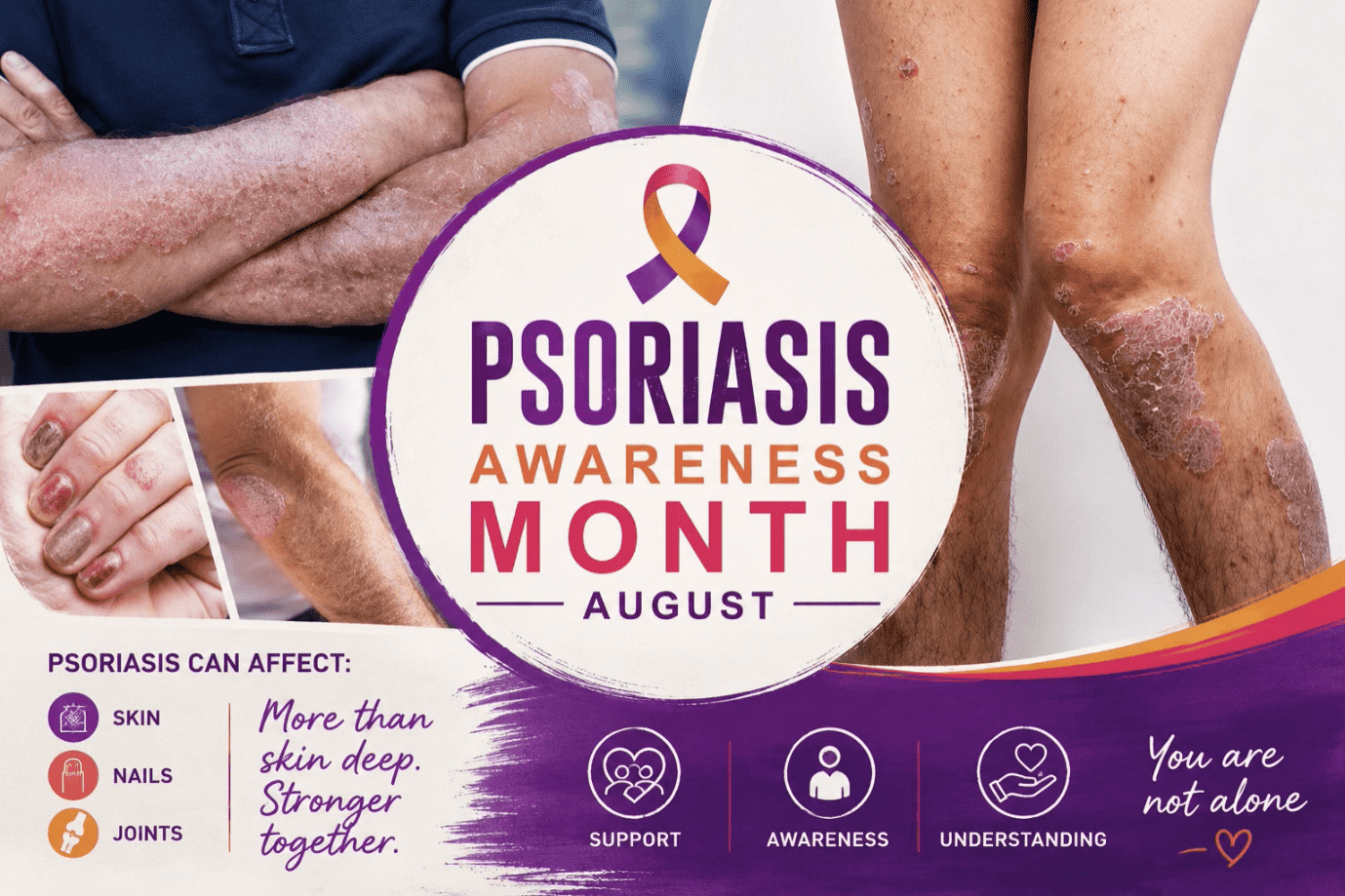
Around 125 million people worldwide live with psoriasis, making it one of the most common long-term inflammatory skin conditions. Statistics like these help us appreciate its prevalence, but they tell us very little about what it is actually like to live with the condition.
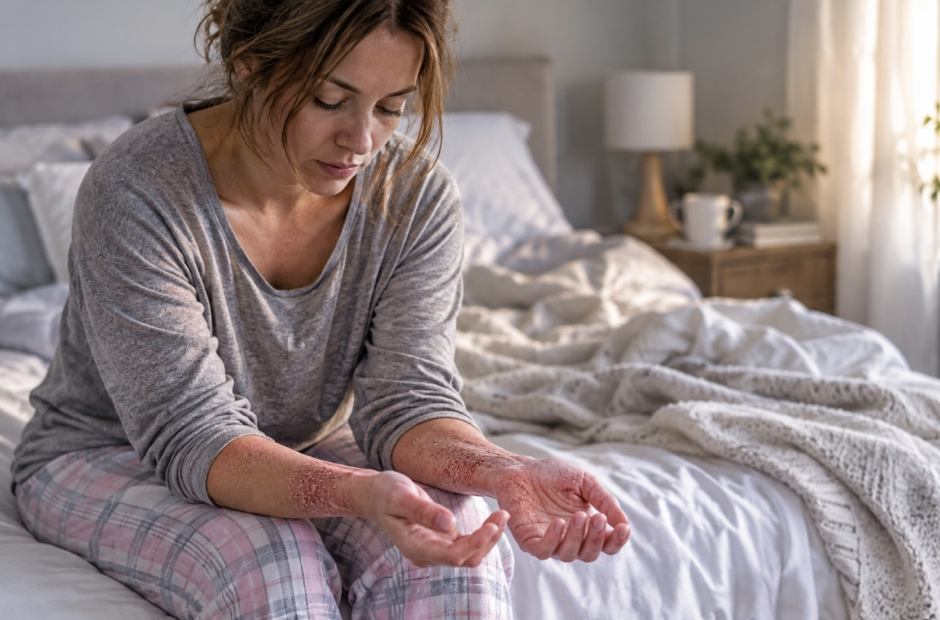
For many people, psoriasis is about much more than visible plaques. It can influence what they wear, whether they feel comfortable going swimming, how confident they are in the workplace, or even whether they avoid social situations altogether. While treatments have advanced enormously over recent years, living well with psoriasis often involves addressing much more than the skin alone.
More Than Skin Deep
Psoriasis is a chronic inflammatory condition that speeds up the turnover of skin cells, leading to the characteristic plaques many people recognise. Some individuals experience only small, localised patches, while others live with more extensive disease. Around 10–30% of people with psoriasis also develop psoriatic arthritis, highlighting that psoriasis is a systemic inflammatory condition rather than simply a problem affecting the skin.
When the Visible Condition Is Only Part of the Story
As a dermatology nurse and skin camouflage practitioner, one of the most striking things I’ve learnt over the years is that the appearance of the skin is often only one part of a person’s experience. Two people with psoriasis may have plaques of a similar size or severity, yet their day-to-day experiences can be completely different. One may carry on without giving it much thought, while another may feel self-conscious whenever they wear short sleeves or meet someone for the first time.
This is why modern psoriasis care increasingly recognises the importance of treating the whole person, not just the visible signs of the condition.
Supporting someone with psoriasis isn’t simply about improving the skin; it’s about helping them participate more fully in everyday life. Whether that’s returning to activities they enjoy, feeling comfortable in the workplace, or simply having the confidence to wear clothes they’ve previously avoided, these outcomes matter too.
Living Well with Psoriasis: Small Changes Can Make a Difference
Whilst there is no cure for psoriasis, there are many ways people can help support their skin alongside any treatment recommended by their healthcare professional. There is no single approach that works for everyone, but understanding common triggers and protective factors can make a real difference.
Some practical considerations include:
- Smoking: Smoking has been linked with both the development and increased severity of psoriasis. Stopping smoking can benefit not only overall health but may also improve skin health.
- Alcohol: Excessive alcohol consumption has been associated with worsening psoriasis in some individuals and may also reduce the effectiveness of certain treatments. Red wine and beer may act as inflammation triggers for some people.
- Maintaining a healthy weight: Research suggests that achieving and maintaining a healthy weight may improve treatment outcomes and reduce inflammation.
- Stress management: Emotional stress is a well-recognised trigger for many people. Finding strategies that help manage stress, whether through exercise, mindfulness or hobbies, can sometimes reduce flare-ups.
- Sunlight: Carefully controlled exposure to natural sunlight often benefits psoriasis because ultraviolet (UV) light can slow the rapid turnover of skin cells. However, balance is essential, as sunburn can make psoriasis worse.
- Trauma: In addition, injury to the skin can trigger new psoriasis plaques through what is known as the Koebner phenomenon. This means that psoriasis may develop in areas of trauma such as cuts, scratches, surgical scars, tattoos, persistent rubbing or pressure (for example, from tight clothing or objects carried repeatedly in pockets), and, of course, sunburn. Protecting the skin from unnecessary injury is therefore an important part of managing psoriasis.
Psoriasis Awareness Month provides an opportunity not only to increase understanding of the condition itself, but also to recognise the lived experiences of the millions of people affected by it. Greater awareness helps challenge misconceptions, encourages earlier support, and reminds us that successful care is about far more than improving the appearance of the skin, it’s about helping people live well, recognising that successful rehabilitation is measured not only by improvements in the skin, but by confidence, participation and the ability to engage in everyday life.
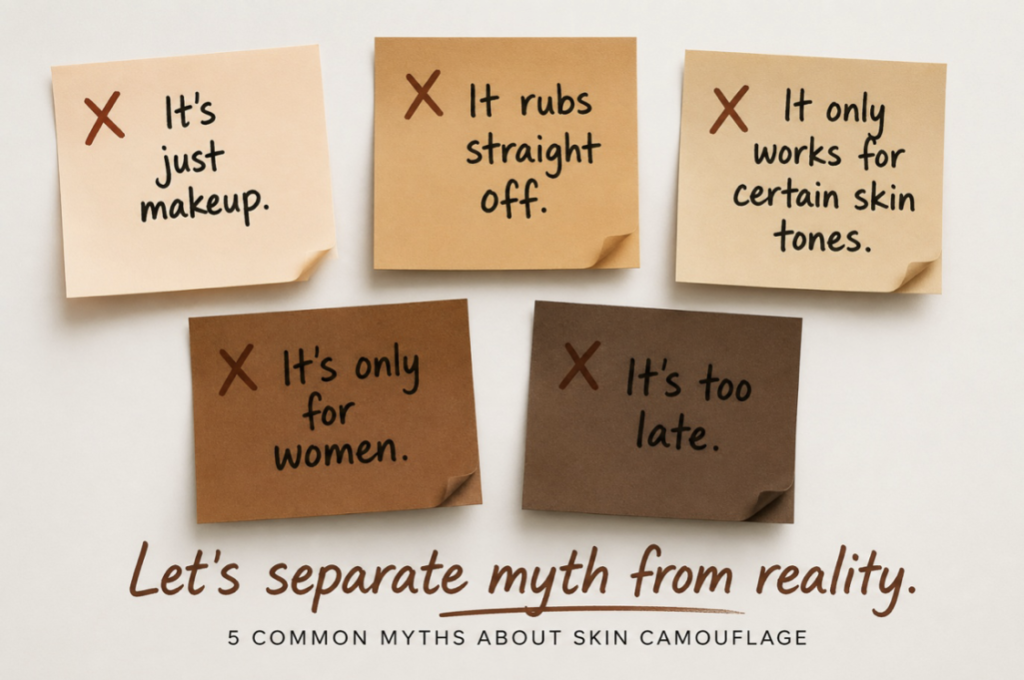
For some individuals, specialist skin camouflage may form one part of that journey, alongside medical treatment and ongoing dermatology care, by helping to reduce the visibility of affected areas for particular situations.
Further Support
If you would like to learn more about psoriasis or access additional support, the following organisations provide reliable information and resources:
- The Psoriasis Association – Information about psoriasis and psoriatic arthritis, treatments, research updates and support services.
- British Association of Dermatologists (Patient Hub) – Evidence-based patient information on psoriasis and many other skin conditions.
- NHS – Psoriasis – An overview of symptoms, treatments and when to seek medical advice.
If you have concerns about your skin or think your symptoms may be changing, please seek advice from your GP, dermatologist or healthcare professional.