When Skin Camouflage May Not Be Suitable or Requires Careful Consideration

Skin camouflage can be a highly effective intervention for reducing the visible impact of scarring, pigmentation differences, and other skin concerns. For many individuals, it provides not only cosmetic improvement but also psychological and social benefits, including increased confidence and reduced self-consciousness.
However, there are situations where treatment may not be appropriate, may need to be delayed, or requires careful professional judgement. Understanding these factors is particularly important in medicolegal contexts, where recommendations must be safe, realistic, and ethically justified.
Fragile or Unstable Skin
Some scars or affected skin areas remain fragile, even after initial healing. In certain cases, the skin may break down with minimal contact or friction. Where tissue integrity is compromised, applying camouflage products, including gentle touch during application, may pose a risk or cause further discomfort.
Clinical assessment is essential to determine whether the skin can tolerate treatment safely.
Altered or Hypersensitive Sensation
Scars can sometimes be associated with altered sensation, including tingling, electric shock–like discomfort, or hypersensitivity to touch. For some individuals, contact with the area may provoke nausea, distress, or pain.
In these situations, camouflage may still be possible, but only with careful consideration of comfort and tolerability.
Suspicious Lesions or Possible Skin Cancer
If there are any skin changes that may represent a suspicious lesion, such as changes in size, shape, colour, bleeding, crusting, or a new or evolving mark, medical assessment is essential before considering camouflage.
Skin camouflage should never be used to conceal a lesion that has not been appropriately evaluated by a healthcare professional. In such cases, referral to a GP or dermatologist is recommended to ensure accurate diagnosis and safe management.
Prioritising medical assessment protects both the individual’s health and the integrity of any subsequent treatment decisions.
Active Dermatological Conditions
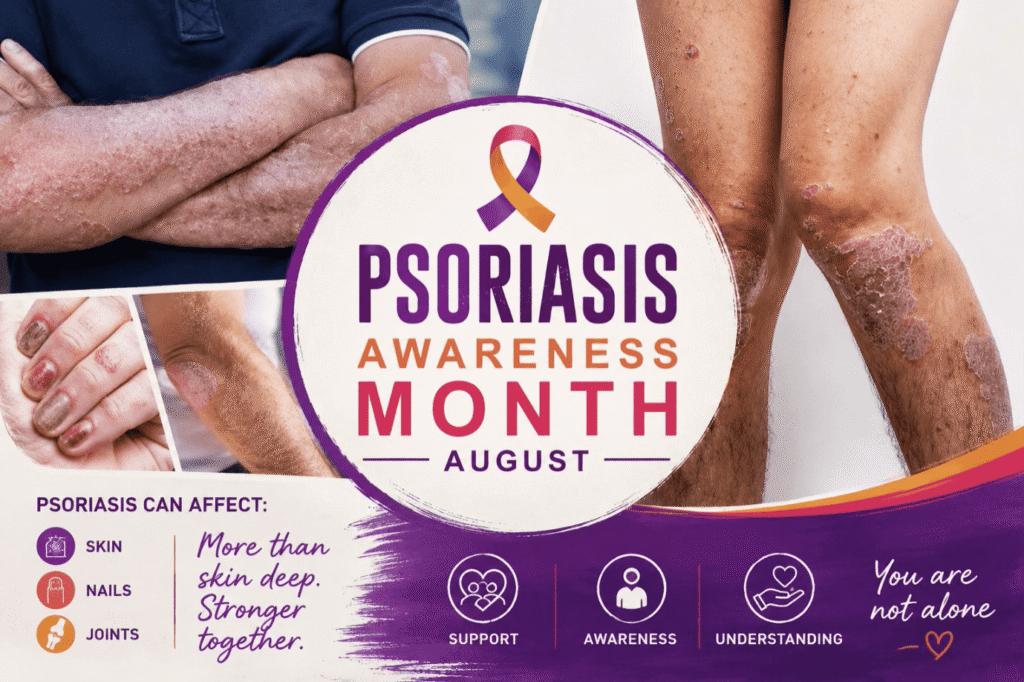
Where an active skin condition is present, camouflage may still be possible, but the condition and its stability need to be considered carefully. For example, individuals with psoriasis may experience the Koebner phenomenon, where new lesions can develop in areas of skin trauma or irritation, including scar sites.
If psoriasis or another inflammatory condition is active within the treatment area, camouflage products may not sit smoothly on the skin and results can be unpredictable. In these situations, it may be more appropriate to first stabilise the underlying condition before proceeding. Regular use of emollients can sometimes assist with improving skin condition prior to treatment.
Psychological Context and Readiness
Skin camouflage can be empowering, but timing and individual readiness are important. For some people, concealment may support confidence and adjustment, while for others it may risk reinforcing avoidance or distress, particularly if expectations are unrealistic or emotional adjustment is still evolving.
A thoughtful consultation helps ensure that camouflage is being considered in a way that supports overall wellbeing, and that any wider psychological needs are recognised.
Minimal Visual Impact
There are occasions where the visible difference is extremely subtle or not readily apparent to others. While an individual’s distress should always be taken seriously, camouflage may not provide meaningful benefit if the concern relates more to perception than observable difference.
Sensitive handling and clear discussion are essential in these situations.
Client Choice and Autonomy
Even where camouflage is clinically appropriate, the individual’s preferences remain central. Some people may choose not to pursue camouflage, and this decision should always be respected.
Autonomy and informed choice are fundamental principles of ethical practice.
Medicolegal Considerations
Within medicolegal assessments, identifying when camouflage may not be suitable, or when its benefits may be limited, is as important as recognising when it can help.
Recommendations should consider:
- Skin integrity and safety
- Sensory factors
- Psychological context
- Practicality and tolerability
- Likely benefit relative to effort required
Balanced, individualised recommendations support realistic expectations and appropriate treatment planning.
If you are unsure whether skin camouflage may be suitable for your situation, a professional consultation can help determine the safest and most appropriate approach.