Time to Talk Day: Brave the Big Talk

5 February 2026: Time to Talk Day
Time to Talk Day, held on 5 February, stands as the nation’s largest conversation about mental health. It is a day dedicated to bringing people together to talk, listen, and ultimately, help change lives for the better.
This Year’s Theme: Brave the Big Talk
This year’s theme, Brave the Big Talk, acknowledges that although significant progress has been made in tackling the stigma around mental health, there are still experiences which remain difficult to discuss. Some conversations are left unsaid not because they lack importance, but because they can feel too intimate, painful, or challenging to articulate.
Time to Talk Day is not about having the perfect conversation. Rather, it is about creating space for honest dialogue.
Why Talking Still Matters
Awareness of mental health has increased considerably in recent years. More people are comfortable using terms like anxiety, depression, or burnout, and public discussions have become more open. This progress deserves recognition.
However, for many people, living with mental health difficulties can still be an isolating experience. There remains a gap between understanding that mental health is important and actually feeling able to talk about personal experiences.
This is especially challenging when someone’s experiences do not fit neatly into familiar categories, or when they overlap with other aspects of life, such as health conditions, trauma, identity, pressures at work, or changes in appearance following illness or injury. Talking about these experiences can feel deeply personal and may evoke fears of being misunderstood, judged, or dismissed. Talking about mental health is not a one-off victory but an ongoing process that requires patience, compassion, and safe environments.
Braving the Big Talk
Braving the big talk does not mean pushing yourself or others to reveal more than feels comfortable. It is about gentle courage, the kind that allows someone to say, “I’m finding things hard right now,” or “This is affecting me more than I expected.”
Big conversations often begin with small gestures:
- A quiet check-in rather than a hurried question
- Listening without attempting to fix or downplay
- Accepting that someone’s experience may differ from your own
Sometimes, the bravest thing you can do is simply remain present when a conversation becomes uncomfortable or emotional.
Listening is as Important as Speaking
Time to Talk Day is not solely about encouraging people to speak up; it is equally about learning how to listen.
Listening well involves making space for silence, uncertainty, and emotion. It means resisting the urge to offer quick fixes or reassurance, and instead, validating what someone is sharing. Simple phrases like, “That sounds really hard,” or “Thank you for telling me”, can be much more supportive than advice.
For many, being listened to without judgement is a significant step towards feeling less alone.
When Mental Health and Appearance Intersect
Conversations about mental health often focus on thoughts and feelings, but our sense of self is also shaped by our appearance and how we believe we are perceived by others. Changes to appearance from injury, surgery, medical treatments, or skin conditions can profoundly affect emotional wellbeing.
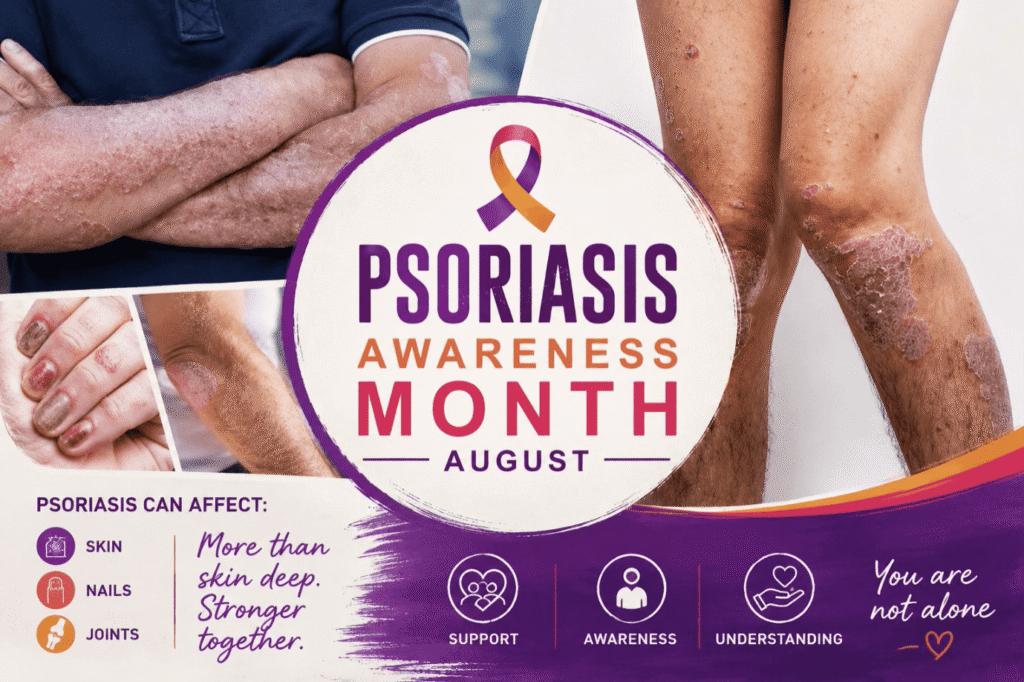
Visible differences, such as scarring, pigmentation, burns, or skin conditions, can impact confidence, identity, and social interactions. These challenges are not always openly discussed, yet they influence how people engage with work, relationships, and society. There may be a pressure to minimise distress or appear resilient, even when struggling internally.
Skin camouflage can play an important role in this context. While it is not a treatment for mental health, it can provide individuals with a sense of control, choice, and confidence during uncertain times. Learning how to camouflage a visible difference can help reduce self-consciousness, support social engagement, and make difficult conversations more manageable.
Importantly, skin camouflage is not about hiding or denying one’s experience. It is about providing options, choosing when to disclose, self-presentation, and whether or not to include appearance in the conversation. This sense of choice can be especially meaningful when navigating recovery, trauma, or long-term illness.
Recognising the emotional impact of visible difference, and the benefits of supports like skin camouflage, is part of braving the big talk. It enables conversations about mental health to be more inclusive, acknowledging that wellbeing is closely linked to feeling safe, understood, and respected in your own skin.
Creating Safer Spaces to Talk
We all have a role in making mental health conversations feel safer. This could include:
- Checking in with someone without making assumptions
- Respecting boundaries if someone is not ready to talk
- Being mindful of language that may unintentionally minimise distress
- Sharing resources or support options when suitable
It is important to remember that talking should not replace professional support, but it can be a crucial first step towards seeking help, building connection, and reducing isolation.
A Day to Start – and continue – the Conversation
Time to Talk Day serves as a reminder that conversations about mental health should not be confined to a single day each year. It is an invitation to keep the dialogue going in ways that feel manageable and meaningful.
Whether you choose to share something personal, listen to another, or simply reflect on your own wellbeing, every conversation counts.
This Time to Talk Day, let’s continue to brave the big talk, with kindness, patience, and an appreciation for the fact that everyone’s experience is unique.