National Grief Awareness Week: 2–8 December
When your appearance changes: loss, identity and finding your way forward
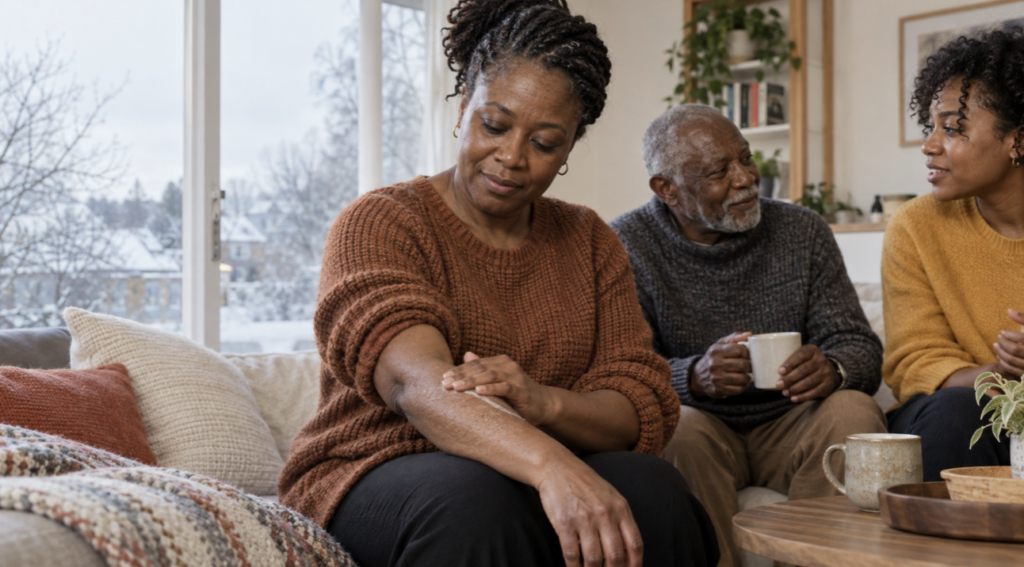
Looking in the mirror and seeing a change you did not choose can bring feelings that are difficult to explain. Following an injury, surgery or a skin condition, you may miss the familiarity of your previous appearance. You may also miss how you felt before, perhaps more comfortable in photographs or able to go about your day without thinking about your skin.
National Grief Awareness Week raises awareness of grief and bereavement. Its focus is on the death of someone close. Alongside recognising that experience, it is valuable to acknowledge that grief can accompany other losses, including changes in health, independence, appearance and the future we had imagined.
These experiences are different, but each deserves understanding.
What might someone be grieving?
A change in appearance can carry meaning far beyond its physical features.
Someone may miss feeling anonymous in a crowd. They may feel uncomfortable with questions about their appearance, or find that familiar activities now require explanation, preparation or assistance. Clothing, social occasions, work and intimate relationships may feel different.
Where the underlying injury or condition also affects movement or physical comfort, there may be several adjustments happening together. A person might be managing treatment while also coming to terms with time away from work or difficulty enjoying a favourite activity.
It is possible to feel grateful to have survived or recovered and still feel sadness about what has changed. Gratitude does not cancel out loss.
When visible difference has always been part of life
People born with a visible difference, or who acquired one in early childhood, may also experience feelings of loss.
There may be no remembered “before” appearance. Instead, someone might grieve experiences they feel they missed, the ease they imagine others have in social situations, or the possibility of growing up without repeated attention to their appearance.
These feelings may become more noticeable at certain points in life, such as starting a new school, forming relationships or entering employment. Others may feel comfortable with their appearance and experience little sense of loss.
There is no single response that someone is expected to have.
Finding your sense of self during adjustment
Changes in appearance can affect how familiar we feel to ourselves. Whether a change involves a small area or extends across much of the body, its emotional significance is personal. The extent of visible change does not determine the depth of someone’s grief.
Adjusting can involve acknowledging what feels different while reconnecting with the parts of life that bring meaning, enjoyment and purpose.
A hobby may offer pleasure, creativity or a sense of achievement. Work, where possible and wanted, can provide structure and connection. Relationships, learning, volunteering and time outdoors may help someone feel more involved in life and more recognisably themselves.
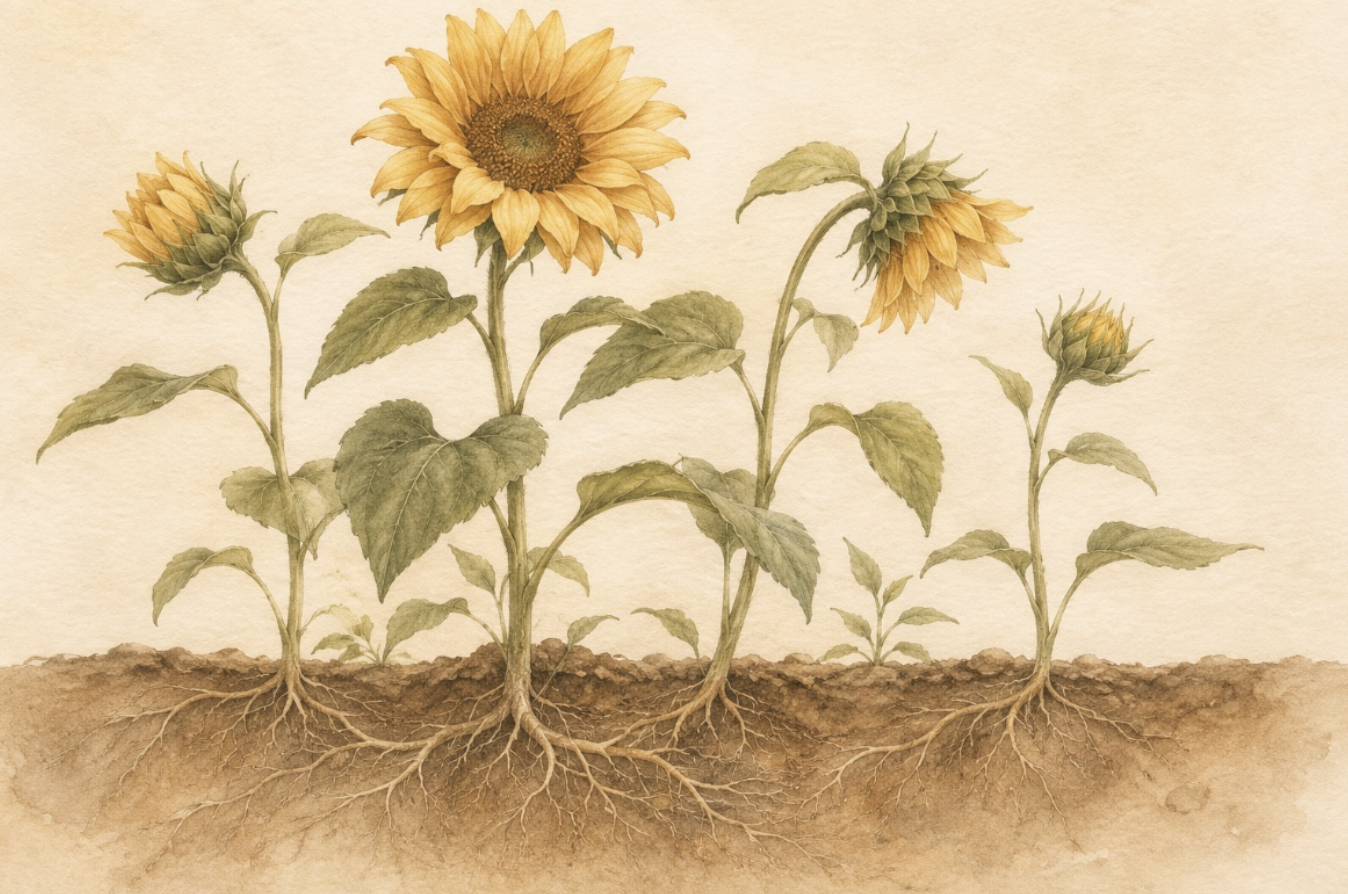
These familiar interests and roles can act as roots during an unsettled time. There may also be opportunities to explore something new, at a pace that feels comfortable. Where physical limitations make an activity difficult, adapting it or finding another way to participate may help preserve what mattered about it: companionship, independence, creativity or challenge.
Sadness and enjoyment can exist together. Someone can grieve a change and still experience moments of confidence, belonging and anticipation. Small moments of pleasure are valuable in their own right, without needing to signal that grief is over.
There is no requirement to become a different or “better” person through adversity. Finding a way forward may mean returning to familiar routines, developing new interests, or gradually recognising that the person you value is still present, even when your appearance or circumstances have changed.
Grief does not follow a timetable
The five stages of grief; denial, anger, bargaining, depression and acceptance, are widely recognised. They can offer language for some experiences, but they are not a sequence everyone must follow.
A person may experience several feelings together, revisit them or not identify with the model at all.
Adjustment can also be affected by continuing treatment, changes in appearance, and other people’s reactions. Feeling comfortable one week and upset the next does not mean someone has failed to move forward.
The impact is personal. A visible change that attracts little attention from others may still carry considerable meaning for the person experiencing it.
Acceptance and choice
Acceptance does not require someone to like what happened or feel positive about every consequence.
A person can feel comfortable with themselves and still want advice about their skin. They can explore camouflage or another treatment while also valuing their appearance. They can decide against treatment or change their mind later.
There is no obligation to demonstrate confidence by leaving a scar or skin difference uncovered, just as there is no obligation to conceal it for other people’s comfort.
The important question is what the individual wants and what will support their participation in the life they wish to lead.
Where skin camouflage may help
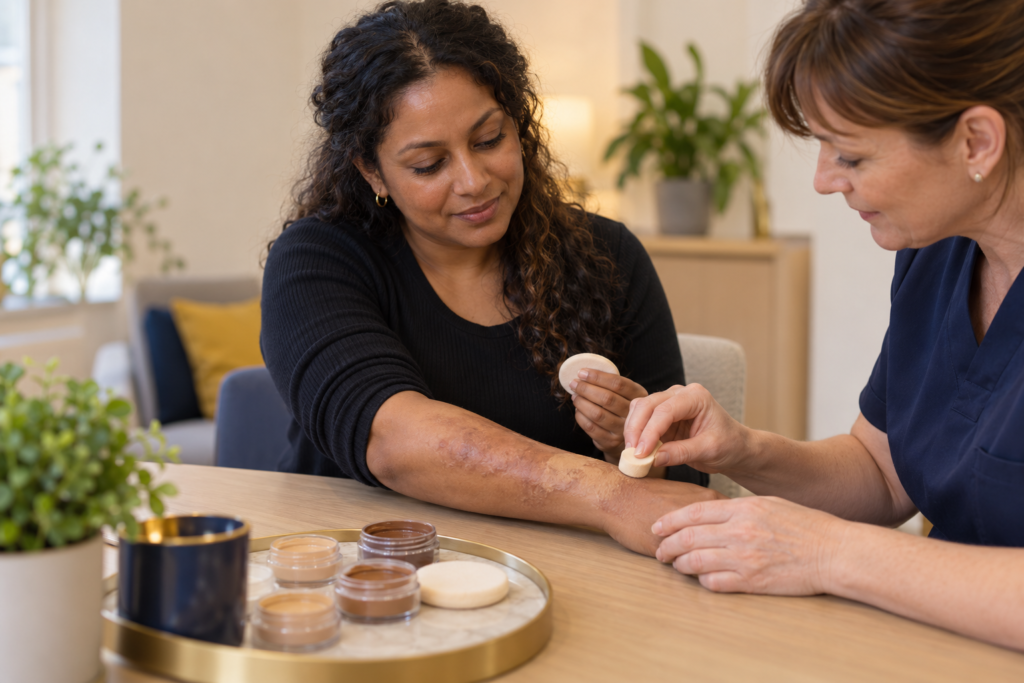
For suitable healed scars and skin conditions, specialist skin camouflage can reduce visible colour differences. It offers a temporary option that some people use regularly and others reserve for specific occasions.
A consultation provides an opportunity to discuss expectations and practical considerations, including application, time, costs and the result that can realistically be achieved.
Camouflage cannot remove the underlying scar or resolve grief and trauma. It may form one part of a wider approach, alongside rehabilitation, psychological support or other appropriate care.
Equally, deciding that camouflage is not needed is a valid outcome.
Finding support and connection
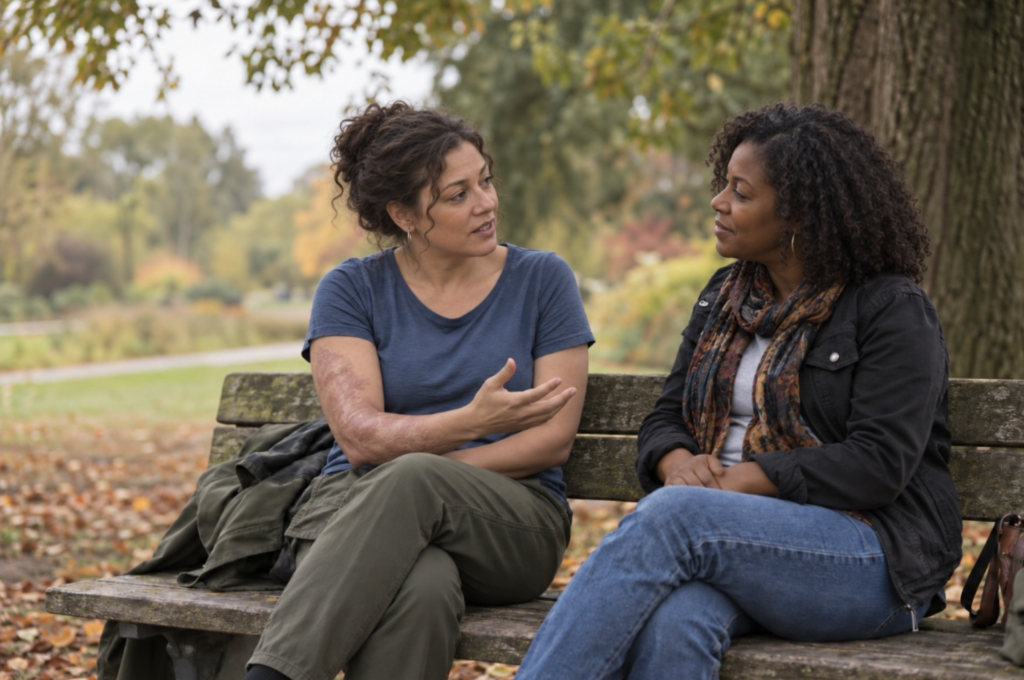
Being listened to without pressure to “look on the bright side” can make it easier to describe difficult feelings. Friends and family may help by asking what support is wanted rather than assuming.
Professional or peer support may also be useful:
- Changing Faces provides information and support for people affected by visible difference, including its emotional impact.
- Face Equality International brings together organisations campaigning for the rights of people with facial differences and challenging discrimination. Its international alliance can help readers discover organisations working in this area.
- Dan’s Fund for Burns offers support for adults affected by burn injuries and provides the Adult Burn Support UK resource.
Your GP or treating team can also help you explore appropriate support if distress is affecting everyday life.
Sometimes the support needed concerns the person’s feelings. Sometimes it concerns practical barriers or other people’s behaviour. Respectful treatment and inclusion matter alongside individual care.
Moving forward in your own way
There is no requirement to return to an exact version of your previous self, find a positive meaning in what happened or reach acceptance by a particular date.
You may begin by returning to something familiar, talking honestly with someone you trust, or exploring one option that gives you more choice.
Your appearance is part of your experience, but your interests, relationships, skills and values continue to matter. There is space to acknowledge what has been lost while discovering what feels possible now.