Visible Scarring: An Overlooked Aspect of Rehabilitation
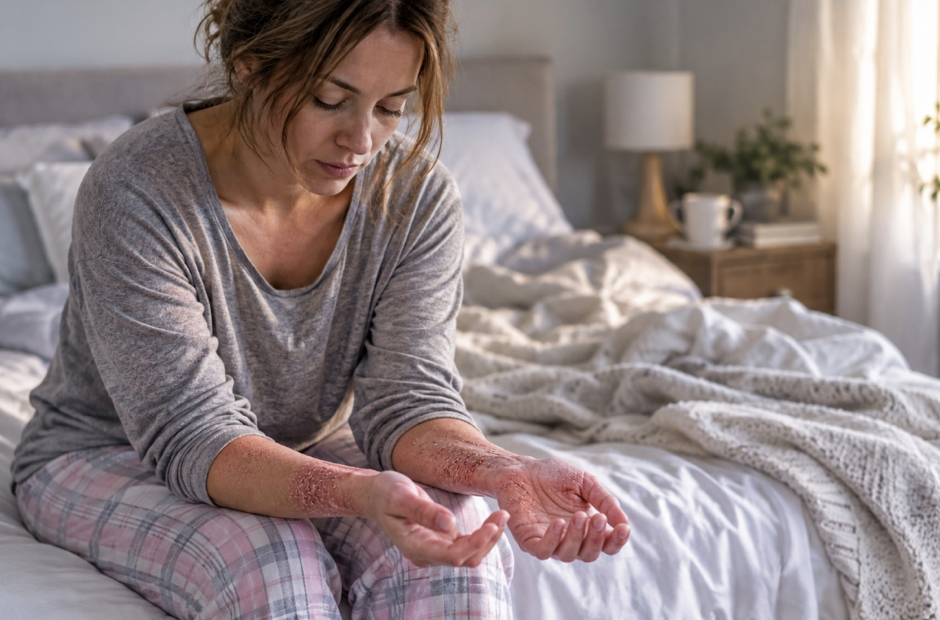
Successful wound healing does not always mean successful rehabilitation. Long after a scar has reached physical maturity, its visibility may continue to influence confidence, social interactions, employment, relationships and the everyday choices people make about how they present themselves.
Specialist skin camouflage forms one part of a holistic rehabilitation approach, helping some individuals regain confidence and control while supporting the principle of reasonable restitution.
Rehabilitation Beyond Wound Healing
Rehabilitation following injury extends beyond physical healing. For individuals living with visible scarring, recovery may also involve addressing the psychological, social and functional consequences that persist after medical treatment has concluded. The aim is to maximise an individual’s physical, psychological, social and vocational recovery, enabling them to resume everyday life as fully as possible. Where visible scarring continues to affect daily life, interventions that reduce its functional and psychosocial impact can support independence, participation and quality of life, reflecting the principle of reasonable restitution.
Specialist Skin Camouflage: More Than Cosmetic
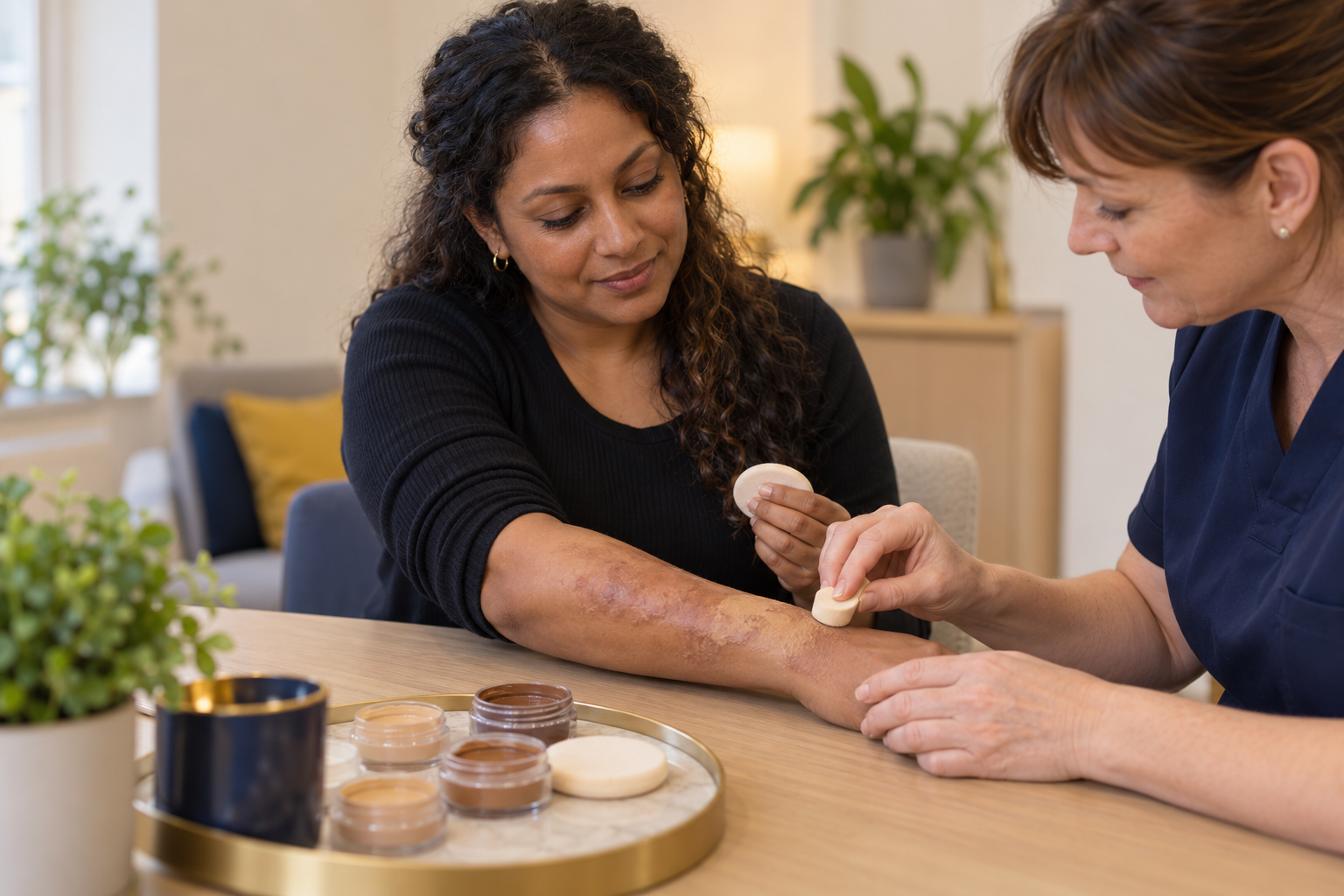
Specialist skin camouflage is one such intervention. Unlike conventional cosmetics, it is a clinically informed process delivered by trained practitioners using individually matched, highly durable products and techniques to reduce the visible impact of scarring or skin disfigurement. Rather than replacing medical or psychological treatment, it complements them as part of a holistic rehabilitation programme.
Evidence suggests that specialist skin camouflage can improve quality of life and reduce the psychosocial impact of visible skin conditions and scarring for appropriately selected individuals. Its aim is to reduce the visible impact of scarring where this supports rehabilitation and everyday participation.
Supporting Everyday Recovery
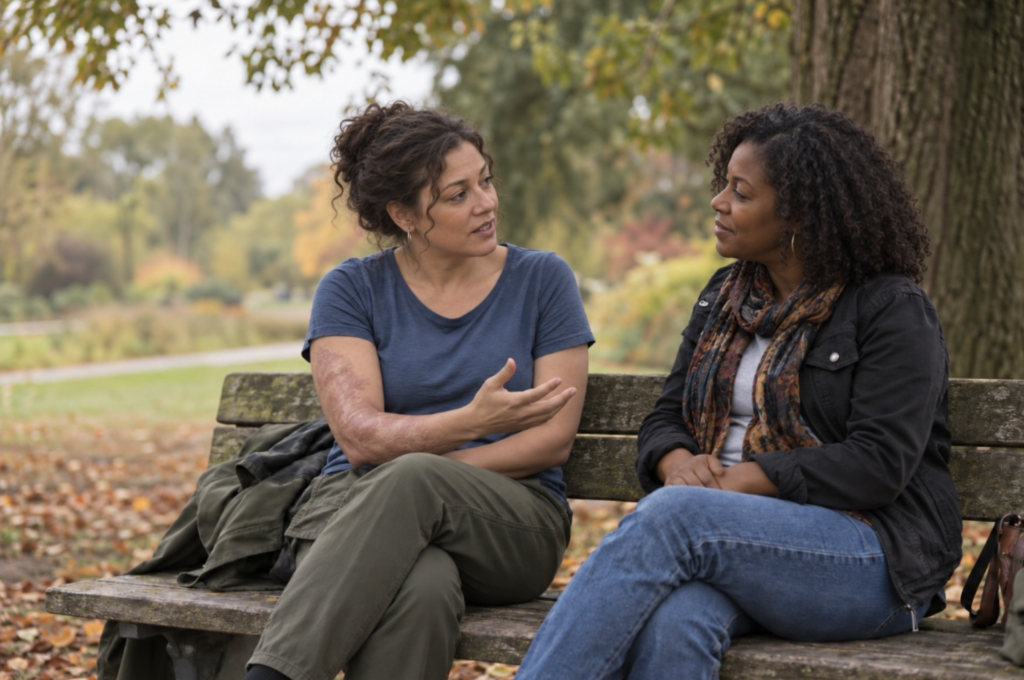
Visible scarring may influence far more than appearance alone. For some individuals, it can affect confidence in work, education, social situations and relationships. Others may experience unwanted attention, intrusive questions or feel the need to alter clothing, hairstyles or daily routines to conceal a scar. By reducing the visible impact of scarring, specialist skin camouflage may help lessen these barriers, enabling individuals to participate more confidently in everyday life while supporting broader rehabilitation goals.
A key aspect of specialist skin camouflage is education and self-management. Individuals are taught how to apply, maintain and safely remove camouflage products, enabling independent use within their daily routine. This promotes choice and self-management, allowing camouflage to become a practical rehabilitation tool that can be used whenever its benefits are most needed.
Individualised Rehabilitation
Skin camouflage is not a one-size-fits-all intervention. Recommendations are tailored to the individual, considering scar maturity, anatomical location, skin characteristics, lifestyle, occupation and personal rehabilitation goals. For some individuals, camouflage may provide a temporary measure while scars continue to mature or other treatments are being undertaken. For others, it may form part of a longer-term strategy to support confidence, participation and quality of life.
Although specialist skin camouflage does not alter the scar itself, it can alter the way an individual experiences living with it. While the appearance of a mature scar may remain unchanged, its impact on everyday life is not necessarily fixed. Appropriate rehabilitation interventions can help reduce that impact.
A Place Within Holistic Rehabilitation
Specialist skin camouflage will not be appropriate in every case, nor does it replace medical or psychological treatment. Instead, it should be viewed as one component of a multidisciplinary rehabilitation pathway, working alongside surgical, dermatological and psychological interventions where appropriate.
Greater awareness may help ensure specialist skin camouflage is considered, where appropriate, to reduce the ongoing impact of visible scarring. Considering it alongside other recognised rehabilitation interventions supports a holistic approach to recovery and the principle of reasonable restitution, helping some individuals resume everyday life with greater confidence, independence and dignity.